The Social Media DJ vs. Real DJs
You’re going to a local show: an underground warehouse rave, how exciting! The headlining act, a popular DJ, boasts tens of thousands of followers on Instagram and several viral videos with millions of views across multiple platforms, so you feel certain tonight will be a great show, guaranteed. Still, something doesn’t seem right. The speakers are booming, but the vibe in the room feels eerily hollow.
The Carefully Curated ‘Social’ DJ
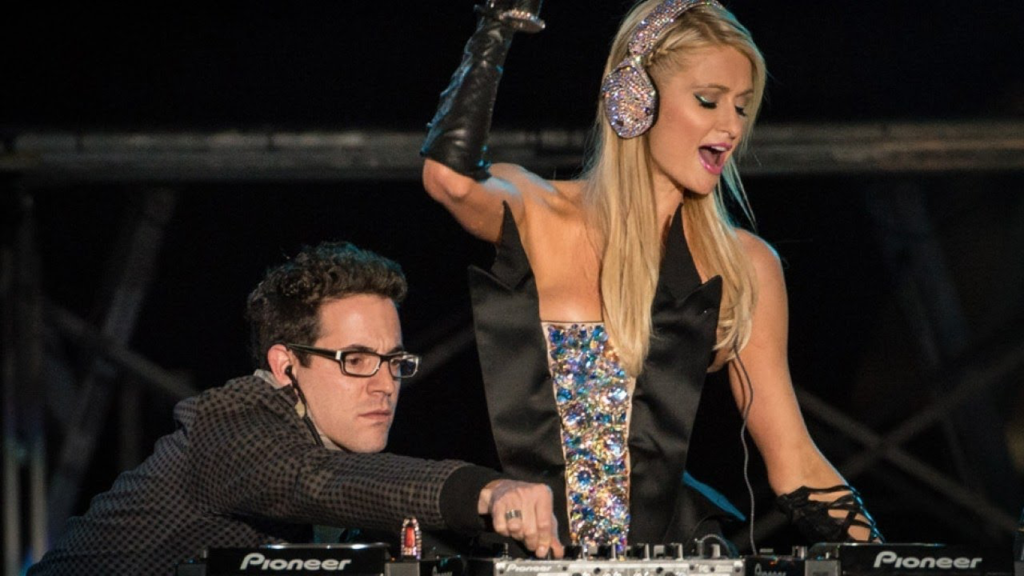
The “social” (media) DJ is chronically online. Their image is polished, clips perfectly timed, and their brand is constantly changing to match whatever sound or aesthetic is trending at the moment. In the booth, they appear to be busy, twisting knobs and pressing buttons, but most of the set is pre-recorded. The drops are planned, and the performance is carefully choreographed to be recorded and posted online.
What matters more than anything to the social DJ is how the clip will look later on their social accounts. The crowd is little more than a backdrop for the video, the booth is a photo op, and the music is compressed into 10 seconds of content. Every aspect of the set is calculated for optimal internet engagement.
The Authentic, Flawed Human DJ
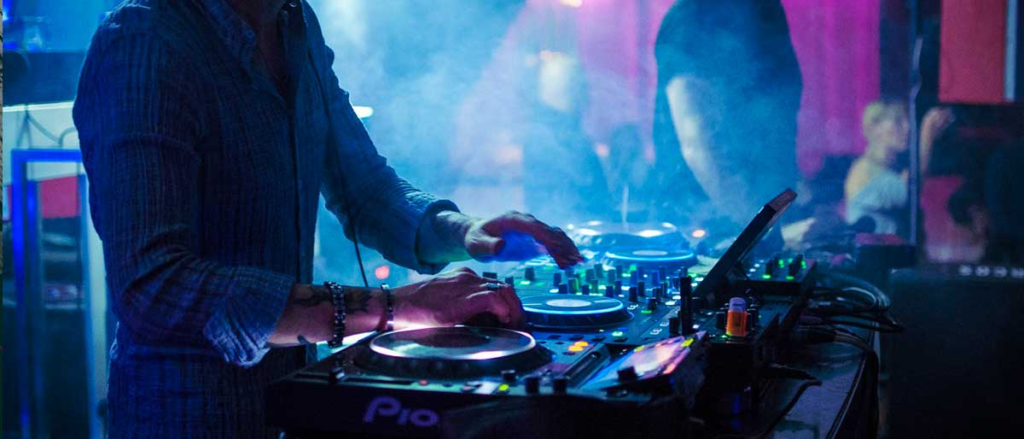
The authentic DJ looks very different in comparison to the social DJ. They spend hours alone listening, analyzing, and practicing transitions. They play bad sets sometimes. They take risks, make audible mistakes, and don’t look perfect all the time. They respond to the room in real time, gauging the audience’s mood and switching gears constantly to keep the energy alive.
This DJ is not concerned with angles or lighting. Their full attention is locked in on flow, timing, and energy. They know when to pull back and when to push forward. Their presence is loud, genuine, and they actually have personality. Their music speaks for itself whether or not anyone is recording. The vibe is happening in the room in real time instead of crunched into a 10-second Instagram reel or TikTok.
Why This Is Happening
The divide did not happen overnight. The music grind is a quiet, lowkey one, and social media algorithms reward spectacle and drama. Algorithms favor visuals over music and sounds. A perfectly edited clip will always travel lightyears faster than years of quiet practice.
Then there’s the pressure to be seen. In a crowded creative economy, visibility reigns king. For DJs desperate to break through the noise, it could seem enticing to build a following first and worry about actually having skills later. This resulted in a culture of performative DJs more obsessed with looking the part then actually playing the part.
This divide did not happen by accident, either. Social media and the music industry reward visibility faster than talent, and some DJs have adapted to survive in this strange new environment.
Several factors push artists toward “faking it”:
- Clubs and promoters increasingly book DJs based on how many followers they have
- Algorithms reward visuals, movement, and flashy performances over music
- Viral clips prioritize the same predictable drops and familiar trends over experimentation and creativity
- The pressure to “brand” oneself constantly
- DJs are now being taught to market themselves before they are taught to master their craft
With attention being a new form of currency, some DJs would rather prioritize being seen and popular than actually being good at what they do.
The Tragic Reality
When personal image replaced artistic craft, something important was lost. Audiences stop knowing what they are actually hearing. DJs miss out on developing a relationship with their music, and in turn, with themselves.
Worse, the art form itself is disposable now. If anyone can fake it convincingly enough online, the value of real skill can be harder to recognize. The scene tends to reward whoever can act the most confident onstage over the DJ who plays the best music.
This shift sadly affects up and coming DJs, who only learn to imitate what looks successful online instead of learning for real, via mentorship, experimentation, and real musical application.
Chasing Popularity vs. Building Fulfillment
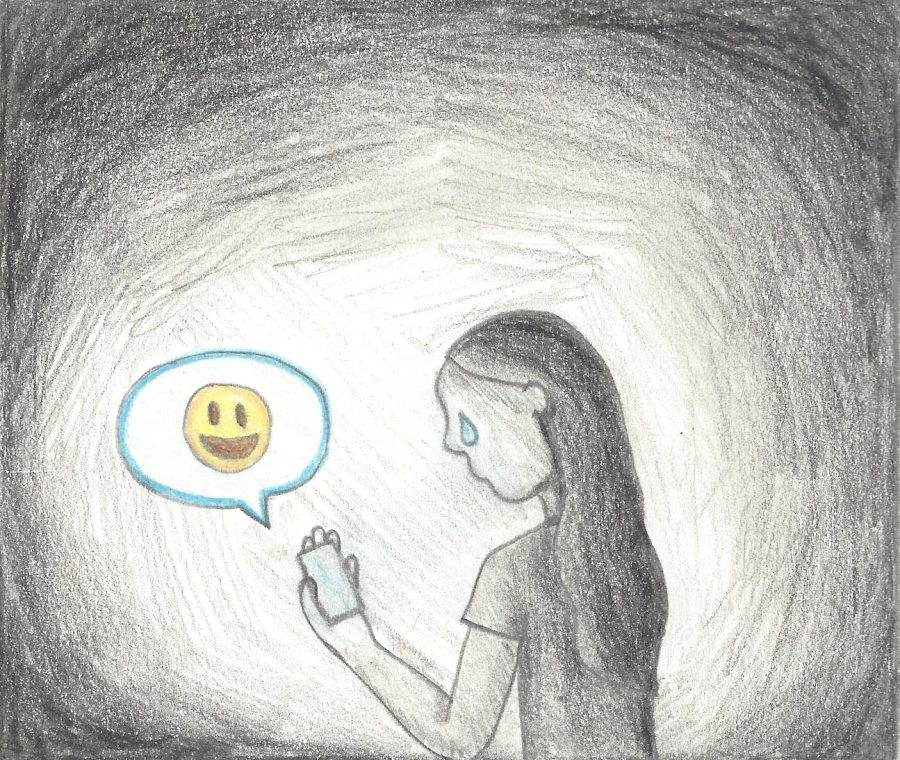
Social media rewards instant gratification. It’s in the name! Insta-Gram. Instant Gratification! A viral clip may deliver instant validation, fast numbers, and fast attention, but that feeling is always shallow and fleeting. When people’s sense of worth is tied to views and likes, nothing good can come out of it.
Pretending to be something you’re not for the sake of merely appearing successful online creates a certain kind of emptiness. You might look busy, booked, and admired, but the work itself is hollow. The music doesn’t feel like discovering hidden parts of your soul or cathartic expression. It’s a shallow box that traps you.
Craft, on the other hand, goes slow. It doesn’t always look glamorous in the process. But it is fulfilling in a real way. Real progress occurs when no one is looking, and real confidence grows from knowing you can rely on your own skills without anybody’s approval.
Signs of a “Social” DJ vs. a Hard-Working DJ
The Social Media DJ:
- Has a large following and several viral videos
- Uses the same trending audio clip repeatedly
- Films in “POV” or other aesthetic formats designed for reels
- Makes dramatic, performative gestures in the booth
- Engages the crowd the entire time
- Dances a lot
- Appears to play while rarely touching the controller
- May hover hands over the controller and pretend to play
- Prioritizes fashion, angles, and visuals over music
The Hard-Working DJ:
- Has a smaller or inconsistent online presence
- Posts in current time a lot
- Posts unpolished photos or clips from real shows
- Spends most of the set with eyes locked on the controller
- Interacts with the room through sound
- Dressed down while performing
- Builds skills behind the scenes
Choosing Authenticity Over Pretending
This is not a call to delete social media or reject new-age visibility altogether; rather, this is a reminder that long-term integrity will always triumph over temporary popularity and attention. True DJs, and real art will always outlast trends because of the solid foundation they build through hard work, blood, sweat, and tears.
The difference becomes evident over time. One kind of DJ chases relevance constantly, while the other slowly builds long-term success. At the end of the day, when the phones die and trends fade, all that matters is who poured their whole heart into the music and who showed up as a good friend to fellow musicians and fans.