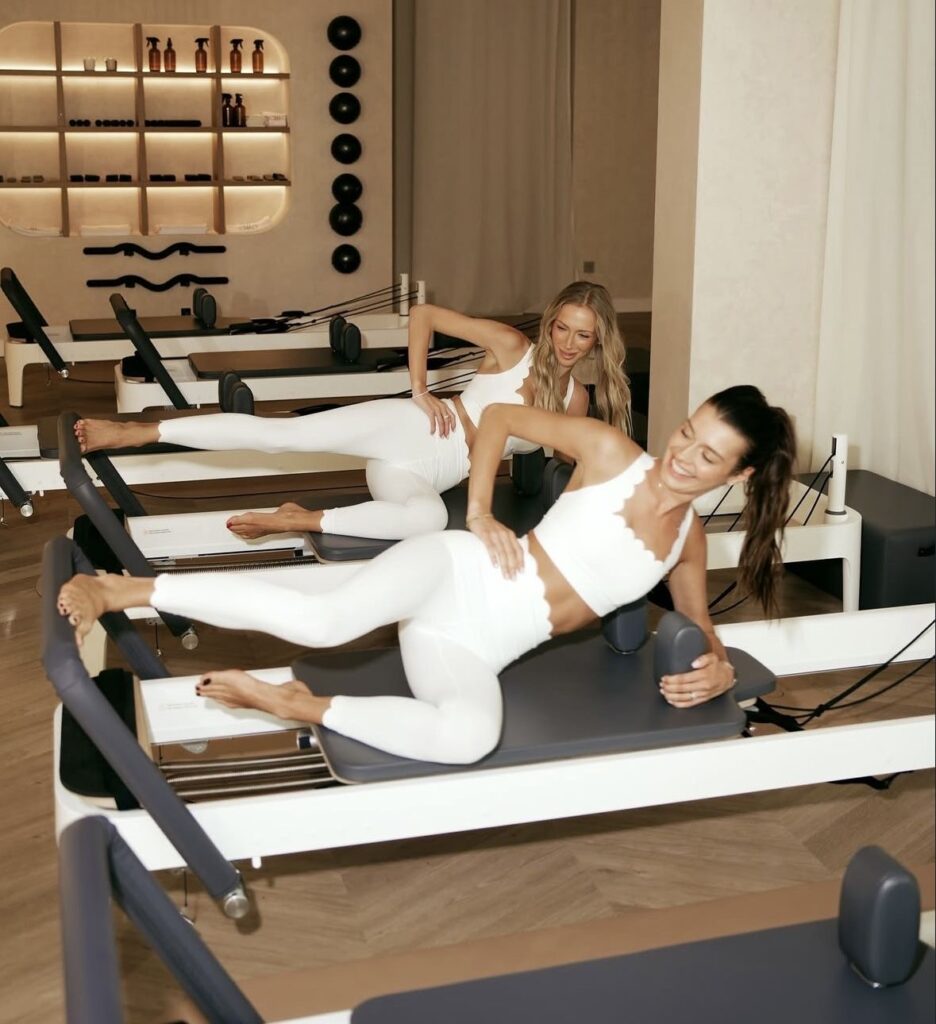
If you have opened TikTok or Instagram lately, you have probably noticed that Pilates is everywhere. Reformer videos, studio mirrors, matching sets, and “come to class with me” clips are suddenly all over people’s feeds. It almost feels like Pilates appeared overnight and became the workout everyone is doing.
But Pilates is not new. It has been around for decades. What has changed is how visible it is and how it fits into the way people want to move and take care of themselves right now. Pilates was originally created by Joseph Pilates and focused on controlled movement, posture, and core strength. If you want a quick background on where it started, the Pilates Method Alliance has a helpful overview here: org
The method itself has not changed much. The culture around it has.
Why People Are Moving Away From Extreme Workouts
For a long time, fitness culture focused on intensity. Faster workouts. Harder workouts. Sweat as much as possible. Push yourself to the limit. Those workouts still exist and work for some people, but many are starting to want something that feels more sustainable.
Pilates offers a different kind of challenge. Instead of trying to survive a workout, you are trying to control it. Movements are slower and more intentional. You focus on alignment, breathing, and muscle engagement. It sounds simple until you actually try it and realize how difficult it is to move slowly with precision.
This is one reason Pilates is gaining popularity. You can work hard without feeling completely drained after class. According to Harvard Health, Pilates can improve posture, flexibility, balance, and core strength while being low impact on the joints. You can read more about those benefits here: https://www.health.harvard.edu/exercise-and-fitness/the-benefits-of-pilates
That combination makes it appealing to people who want to build strength without burning out.
Pilates Fits Into Everyday Life
Another reason Pilates is growing so quickly is because it connects to how people move outside the studio. Many people spend hours sitting, looking at screens, or holding tension in their shoulders and neck. Pilates focuses on alignment and core stability, which can help counter those habits.
Instead of being a workout that only matters during class, Pilates carries into daily life. You start noticing your posture when you sit. You become more aware of how you stand and walk. Small adjustments start to add up. That makes Pilates feel practical rather than just aesthetic.
It also fits well into routine culture. People like having structure. Same class time. Same instructor. Same studio. Pilates often becomes part of someone’s weekly schedule rather than something they do randomly when they feel motivated.
The Studio Environment
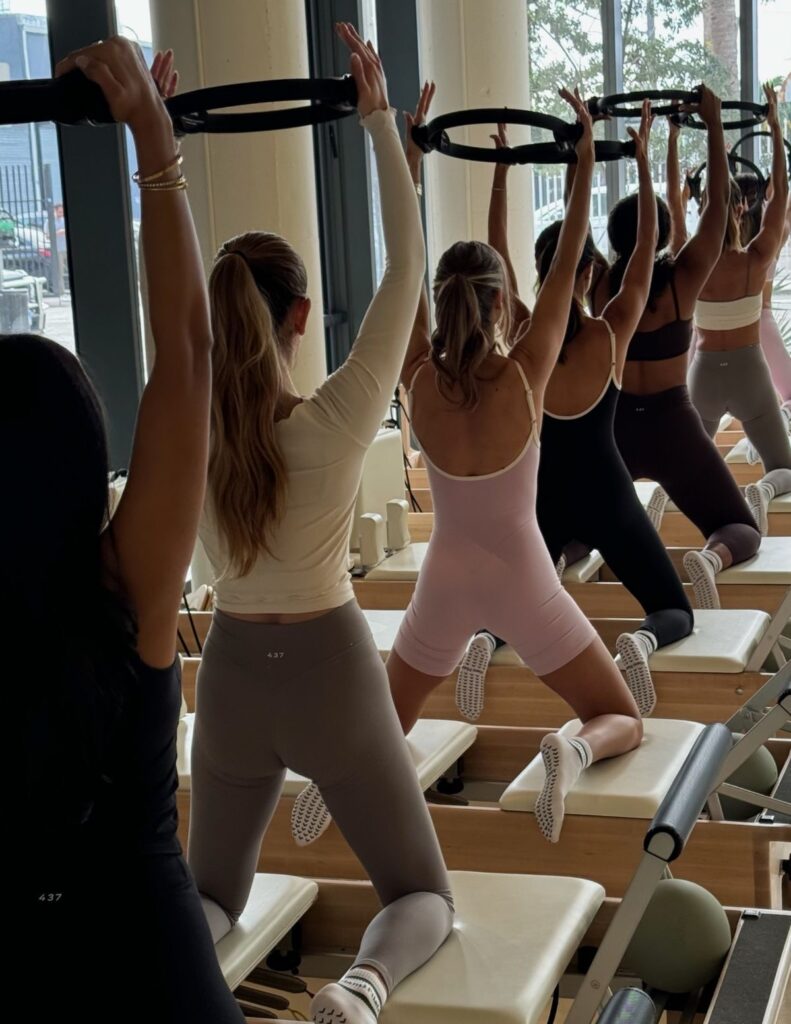
Pilates studios often feel welcoming without being overwhelming. Classes are usually smaller. Instructors know your name. You start recognizing familiar faces. It creates a sense of community without the pressure of a large gym environment.
In a time when so much interaction happens online, having a physical space where you can move and focus can feel grounding. Many people keep coming back to Pilates because of the environment as much as the workout itself.
Social Media Helped, But It Is Not the Only Reason
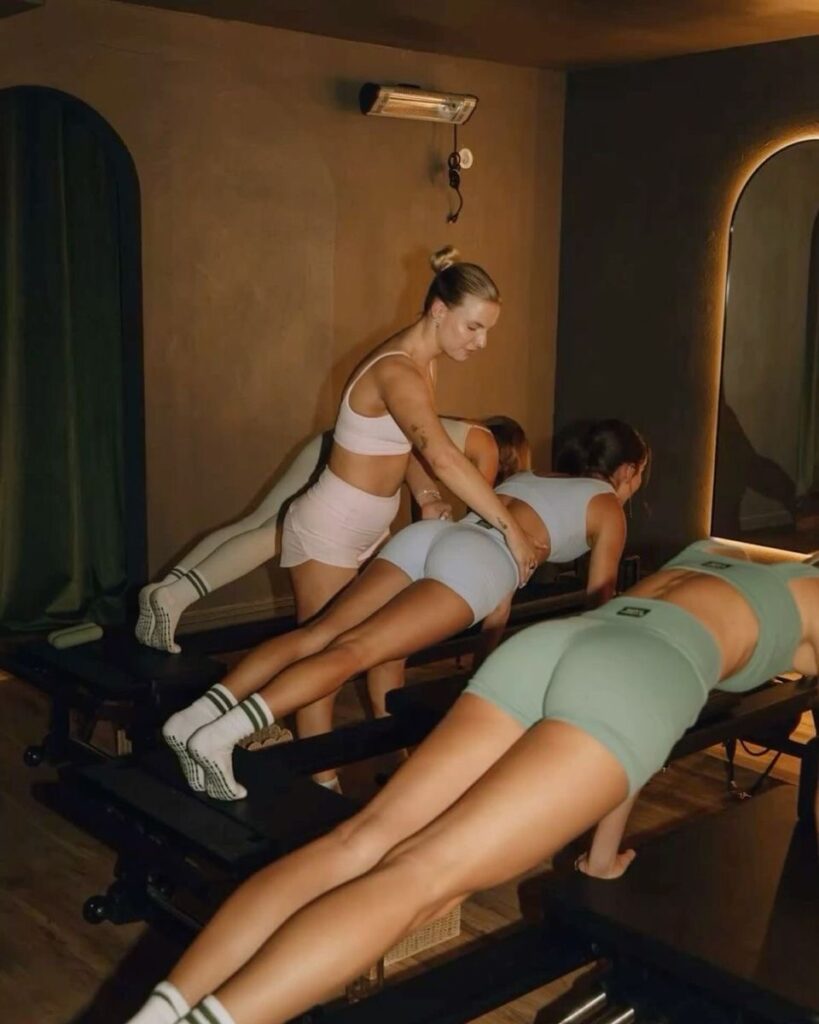
There is no denying that social media has helped Pilates become more visible. Reformer machines are visually interesting. Studio spaces are clean and aesthetic. Everything translates well on camera. That makes Pilates easy to share and easy to discover.
You can see how much Pilates content is circulating just by browsing the Pilates tag on TikTok:
https://www.tiktok.com/tag/pilates
But visuals alone would not keep people coming back. People might try Pilates because it looks appealing, but they stay because of how it feels. Stronger core. Better posture. More body awareness. A workout that feels both physical and mental.
A Different Way to Think About Working Out
Pilates also changes how people think about movement. Instead of asking how exhausted they feel after class, people start asking how controlled their movements were. Instead of going faster, they focus on moving with more precision.
That mindset can carry into daily life. You become more aware of how you move throughout the day. You notice tension patterns. You pay attention to alignment without even realizing it. Pilates becomes less about pushing your body and more about understanding it.
Trend or Long Term Shift
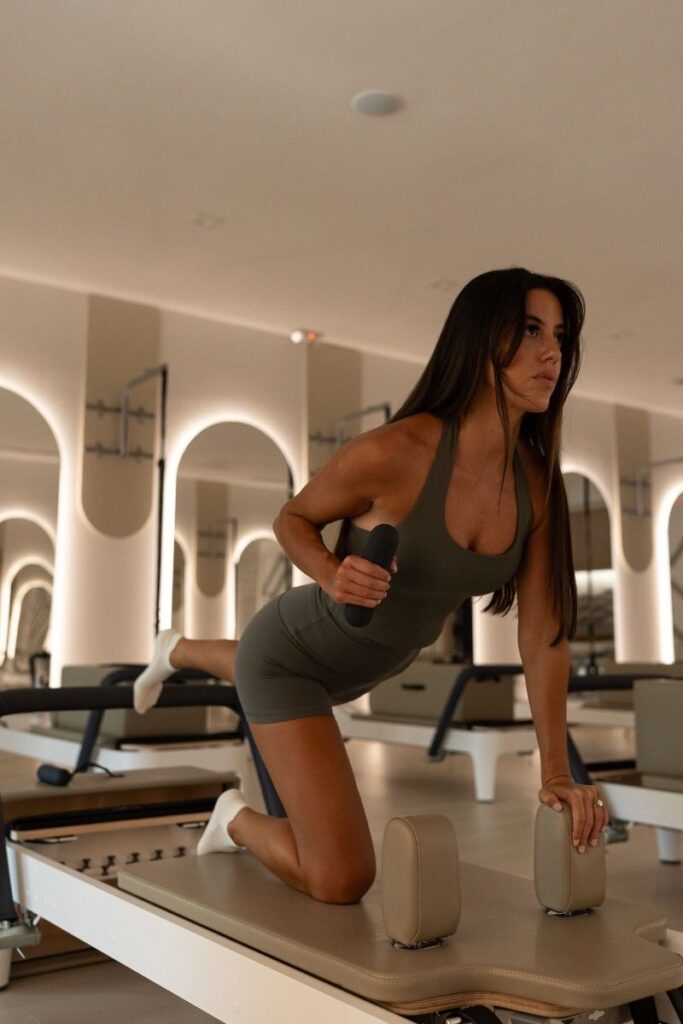
It is easy to call Pilates a trend because it is everywhere right now. But it may be more accurate to see it as part of a larger shift in how people approach fitness. Many people are looking for workouts they can maintain long term. Workouts that make them feel strong and stable without burnout.
Pilates fits into that shift. It builds strength gradually. It encourages consistency. It focuses on quality of movement rather than speed. Those are things that tend to last longer than short term trends.
What This Blog Will Be About
This blog will be a place where I talk about movement, routines, and wellness trends in a way that feels realistic and relatable. Pilates felt like the right place to start because it is so visible right now and also something I find genuinely interesting. If you have tried Pilates or are thinking about it, feel free to leave a comment and share your experience. I am curious whether you think Pilates is just a trend or something that is here to stay.
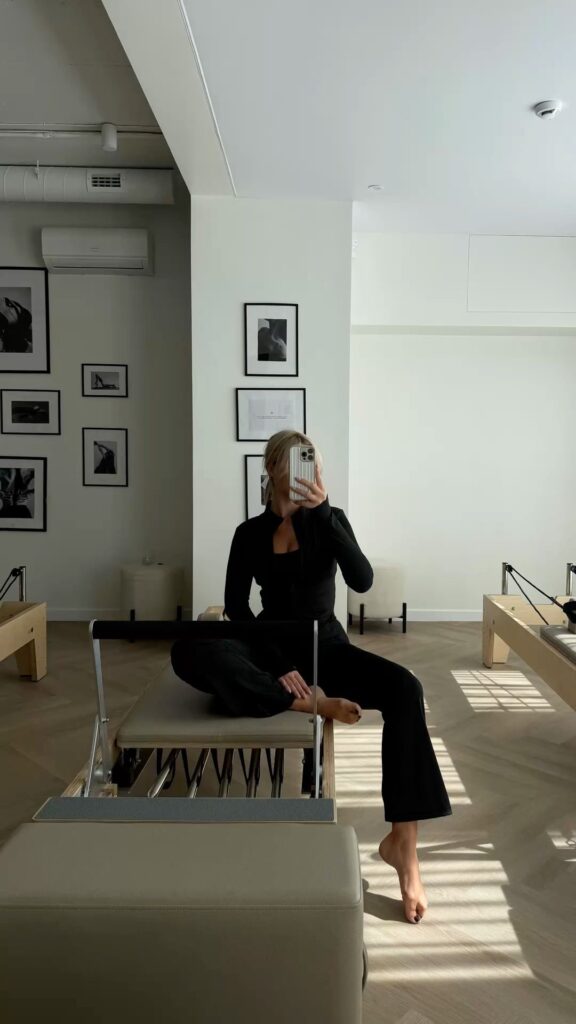
figuring out movement and routine in real life